VRT Telemetry
Real-time car telemetry for Formula Student
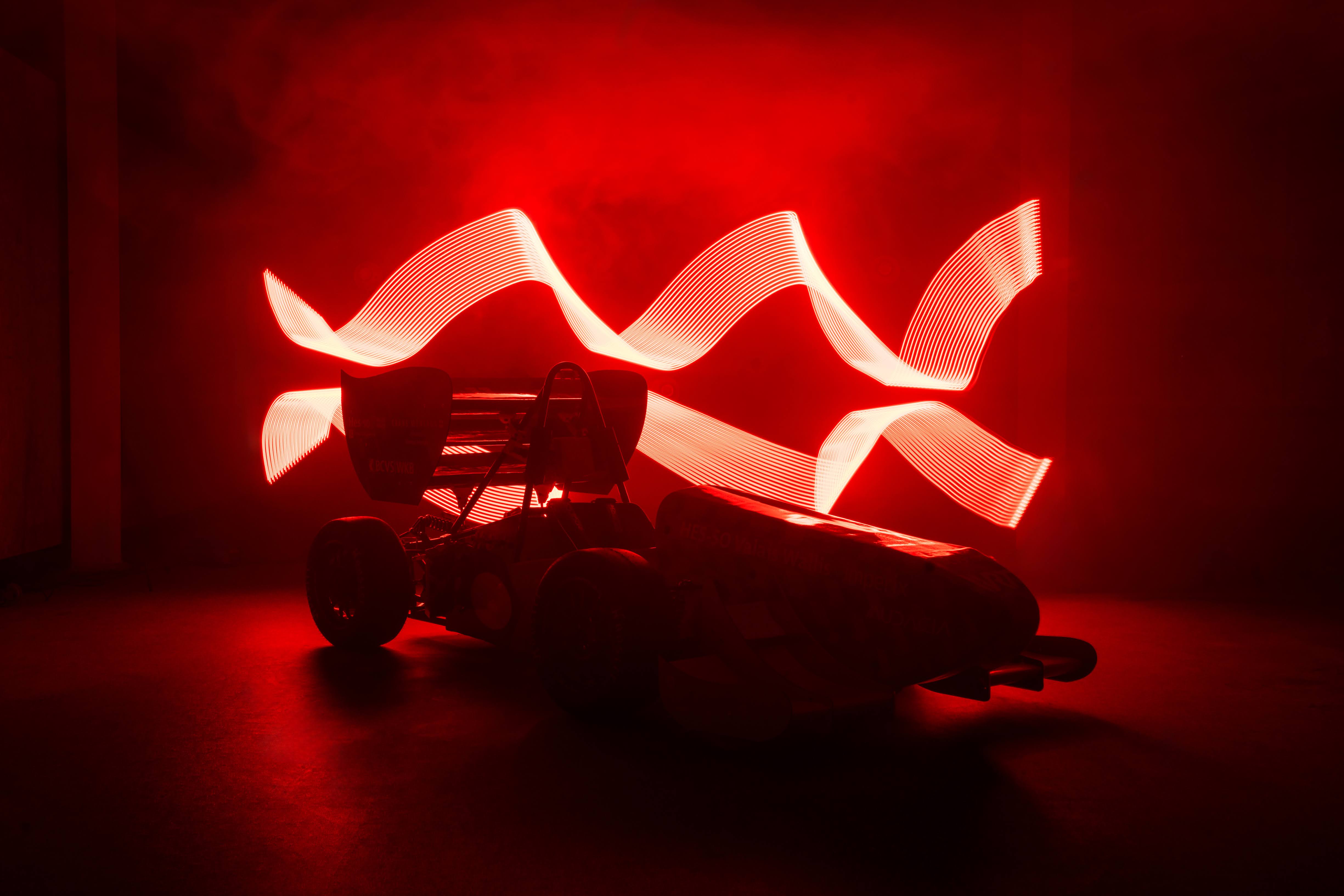
Live and asynchronous telemetry system built for the Valais-Wallis Racing Team — streaming data straight off the car so engineers can read its behaviour in real time, then dig back into every lap once the dust settles.
Context
The Valais-Wallis Racing Team (VRT) is the HEVS student team that designs, builds and races a brand-new single-seater every season in Formula Student. I joined the team on the telemetry side and progressively took ownership of much of its digital backbone. Beyond building the telemetry platform, I worked closely with the electrical and mechanical teams, set up the team's ERP and internal IT infrastructure, and acted as Product Owner for two Bachelor thesis projects that expanded the system.
The build
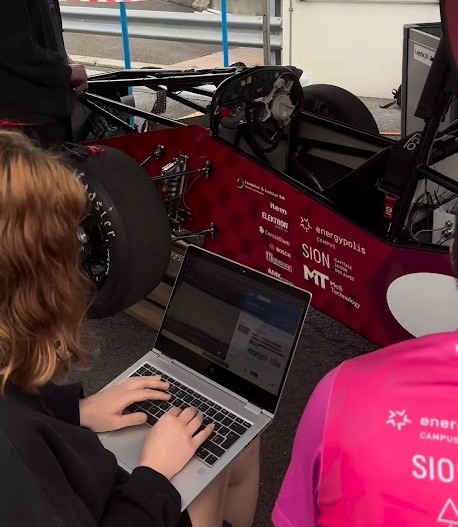
The core is a telemetry pipeline that streams live sensor data off the car during test sessions and feeds it into dashboards engineers can watch in real time. The same data remains available afterwards, allowing the team to replay each session lap by lap, investigate anomalies, compare runs and understand exactly what changed between setups.
The best part
One thing I loved about Formula Student is how quickly job titles disappear. On paper I worked on telemetry and IT, but in practice everyone jumps in wherever they're needed — that's probably where I learned the most about teamwork.
Highlights
- Real-time telemetry pipeline streaming live sensor data from the car into dashboards during sessions
- Asynchronous analysis tooling for post-run deep dives, lap by lap
- Full internal ERP and IT infrastructure, built from scratch
- Product Owner on two Bachelor thesis projects feeding into the system
What surprised me
The lesson I didn't expect came in Croatia, and it had nothing to do with my code. The telemetry module on the car failed mid-event — hardware, not software — and in the heat (37 °C and around 60% humidity) even my laptop gave up: I restarted it just in case and it took two hours to come back. By the time I was operational again, the run was long over. But here's the part I'm actually proud of: we still got the data. Every run was also written to an SD card on the car, precisely so that if the live link ever died, nothing would be lost — and that's exactly what saved us. We reviewed the whole run afterwards from the card. I went in worried about streaming data fast; I came out understanding that on race day the real question is "what happens when this fails?" — and that designing the fallback before you need it is the difference between a dead run and a recovered one.
A note from the pit
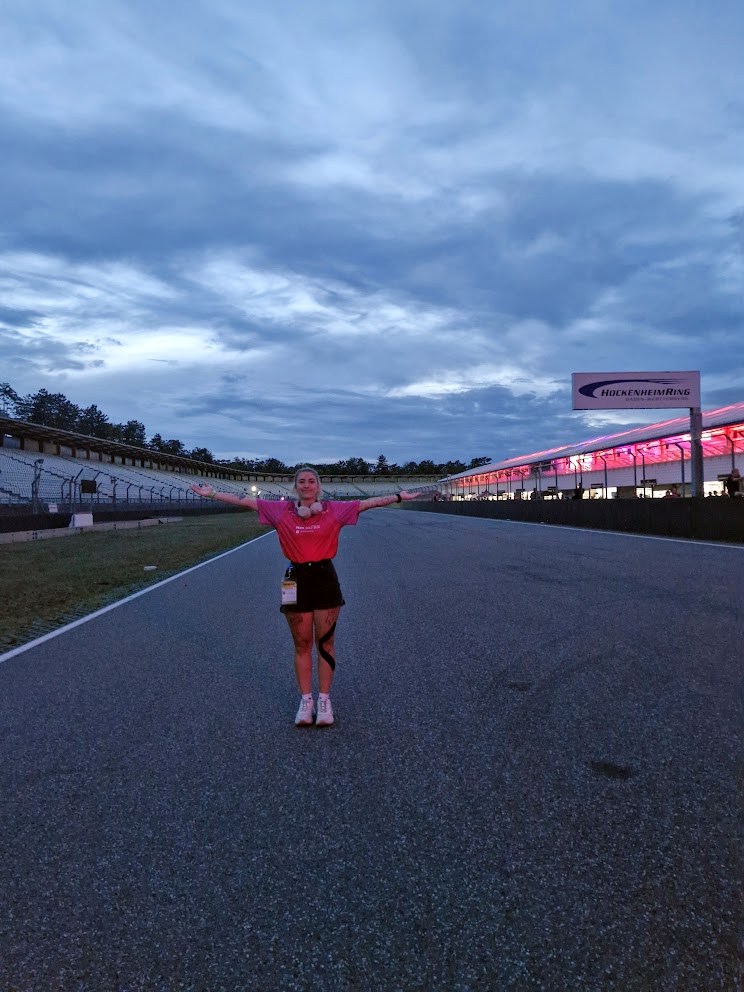
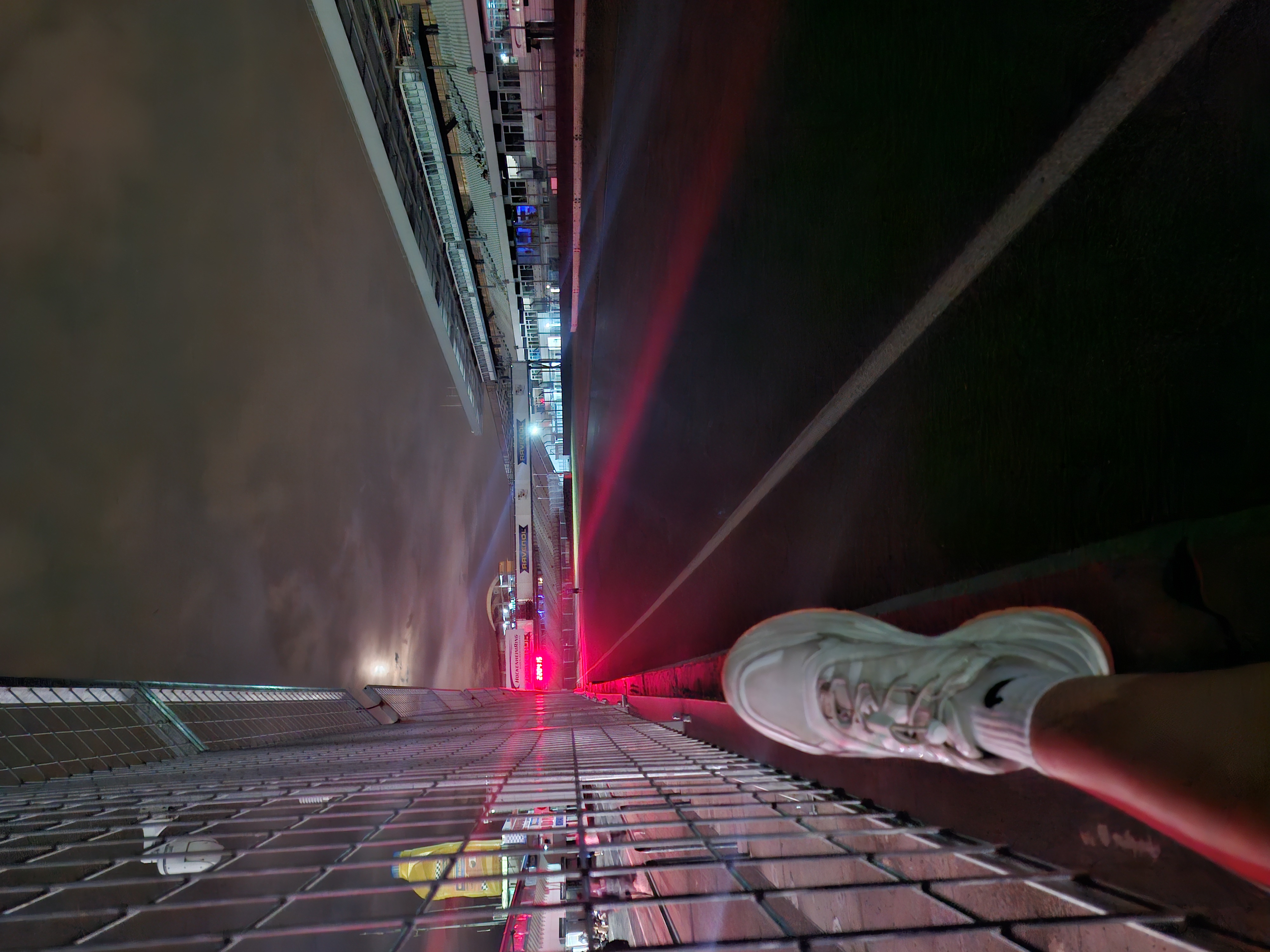
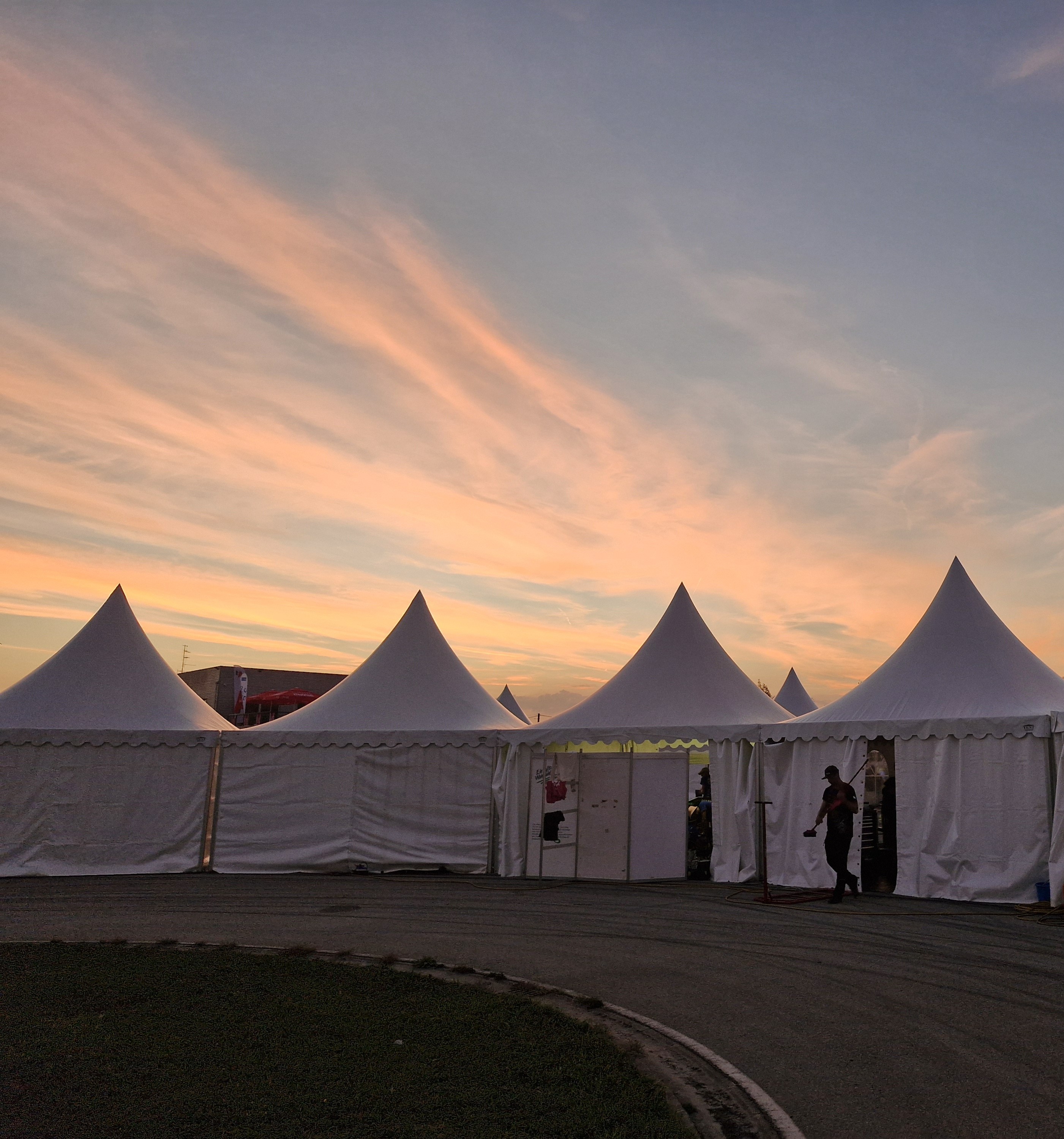
Formula Student has a way of turning every day into an adventure. Between late nights, last-minute fixes, and running across the paddock to keep everything working, I learned as much about teamwork and problem-solving as I did about software. I also discovered that a tent rope you tied yourself is just as effective at tripping you as anyone else's. And I finally saw the Hockenheimring with my own eyes — I grew up watching F1 with my dad, so that one meant a lot. I'd sign up again in a heartbeat.
Gallery